Goals for 2016

Happy New Years!!!! It’s that time of year where everyone makes New Years resolutions that many people wont accomplish. I don’t make New Years resolutions because I never was able to accomplish. I do make New Years goals and I have found that I do accomplish or come close to accomplishing by the end of the year. Below is the list of my goals for the coming year. I realize that some of my goals are partially dependent on other people  but that doesn’t mean I cant at least try to attain the goal.

1)  Get my tattoo touch up. (I actually accomplished this goal yesterday 1/1/2016 at 12noon.)

2)  Add to my tattoo. I currently have a semicolon tattoo and I want to add to it. I want to get the semicolon trinity and eventually the semicolon Sol Invictus. However right now its just the trinity I am aiming for.

3)  Read 12 books. It was my goal to do this last year but it didn’t happen. I did read 10 books last year. (Comic books don’t count)

4)  Drink less soda. I currently drink a liter of soda a day. My goal is to be down to one 20oz soda a week by the end of the year. Right now I am starting off with one 20oz  soda a day and hope to go down from there. So far so good but of course its only the second day of the year.

5)  Get my flute fixed. I can still play my flute however it desperately needs repaired. Plus, I want to get lessens.

6)  Take flute lessons. I love playing the flute. I am not very good at it but it helps me a great deal.

7)  Train to do the Big Climb in my area to support The American Lung Association. I am planning on doing the Big Climb in 2017 but I am starting the training now. (Actually, I started yesterday.)

8)  Learn how to drive (legally). Basically get my drivers license. This will come in handy for me both in my personal life and my professional life. Professionally many places require a drivers license.

9)  Get a job as a peer support specialist (peer counselor). This is one of those goals that is partially up to someone else  however if I do my part with applying for peer specialist jobs then I’ve accomplished what I have intended to do and that is to get my name out there.

10) Get back into blogging more regularly. Due to my mental illness rearing its ugly head I haven’t blogged much. I realize that blogging helps to me in many ways. One of those ways is that it gives me structure on days that I don’t have much to do.

11) Continue being engaged with my recovery no matter how difficult it may be at times. This means going to my appointments with my therapist and psychiatric nurse practitioner (ARNP). It also means doing “homework” my therapist wants me to do. It also means being open to suggestions my therapist has for me.

As you can tell I have a lot of goals this year. In fact one of my goals has already been accomplished. So one goal down and ten more to go. I hope that at the end of year I can tell you that I have accomplished each one of my goals. Have a wonderful day and have a very Happy New Years.


Daily Prompt: Inside the Bubble

In response to The Daily Post’s writing prompt: “Inside the Bubble.” A contagious disease requires you to be put into quarantine for a whole month (don’t worry, you get well by the time you’re free to go!). How would you spend your time in isolation?

As I was looking through past daily prompts, I found this one. I don’t know why but it grabbed my eye. For some reason this is an easy prompt for me to do. Maybe it is because, I have been in the hospital for a month and sometimes longer however it was not due to a contagious disease but mental health reasons.

If allowed, I would have my laptop so I would be able to have access to the hospital’s Wi-Fi. I would want to be able to not only keep everyone up to date on what was going on with me through various social media sites, I would want to be able to blog. Blogging to me is very important to me. Having my laptop would allow me to have access to music. Without music I would not be able to survive. I would also be able to play games on POGO at http://www.pogo.com/ with my laptop so I could help fight the boredom I would be dealing with.

I would also have plenty of books and comic books by my bedside. I would get extremely bored if I didn’t have access to a variety of reading materials. I would have to make sure that there are plenty of Wonder Woman comic books. Of course the books I would be reading would be Sci-Fi, Fantasy or Mysteries because those are the genre’s that most grab my attention and keep my attention.

Another way I would be spending my time in medical isolation is coloring. I would need plenty of colored pencils, a pencil sharpener and my coloring pages and posters I ordered from Stuff 2 Color at: http://www.stuff2color.com/ Coloring would be quite helpful and relaxing. Plus it wouldn’t take much attention to be able to do especially at the beginning of the month long isolation when I would be feeling at my worst.

I would probably be sleeping a lot to get better. I would most likely be going stir crazy as time went on. I would hope that I would be able to have visitors but not sure if I would able to have any because of being contagious.

Well, I need to end this post for now. I need to finish getting ready for work. Have a wonderful day everyone and peace out!!!

Improving My Skills In Blogging

As you can tell a number of my post have been Daily Prompts in recent days. I have quite a few reasons why I have done the daily prompts. One of which is, I was having difficulties coming up with ideas to blog about and they are extremely helpful in that way. Another reason why is I’ve been using Daily Prompts is because I noticed I wasn’t blogging as much as I use to, when I started blogging and realized that I had more people reading my blog when I was posting more often.

Another thing I plan on doing starting tomorrow is the Blogging U. 101 class that WordPress puts on for free. Yes, I am aware that the Blogging 101 courses might be a bit trivial and a repetitive blogs due to the assignments they give and for the fact that I have been blogging for just over a year now. I figured it wont hurt if I relearned stuff that I already learned by trial and error. Who knows I might even learn some new stuff. I am hoping that taking the Blogging U. 101 course will help improve my blogging skills. Granted, I realize some of the assignments they give me might have me blog about things or topics that I have already blogged about. It is my hope that you my reader don’t get annoyed with me and remain patient with me and my blogging process.

It is my hope through this process that it will improve my skills to be a better advocate for those with mental illness as well as to better educate those who do not have a mental illness. It is my biggest hope with this blog to help eliminate the stigma those is associated with having a mental illness. Discrimination against those with mental illness is why many people who struggle with one don’t seek out help. It is for them I share my story of recovery and hope that my story can eliminate the stigma that goes along with it.

Now that you are aware of what I am going to be doing, I ask for your patients and understanding. The course will last three weeks and I hope to learn a great deal with it. Peace out and have an awesome day.

Daily Prompt: Thank You

In response to The Daily Post’s writing prompt: “Thank You.” The internet is full of rants. Help tip the balance: today, simply be thankful for something (or someone).

As I was searching through the past daily prompts today, I came a crossed this daily prompt. I thought it would be a good one to do just because I have a lot to be thankful for.

First things first I am thankful for my dad. There are so many reasons I am thankful for my dad. Granted he may not have won the father of the year but I’m okay with that. My dad had to take on the role of mom when my own mother abandoned the both of us in the middle of the night. He not only raised me (with the help of my grandparents) in the 80’s and 90’s but showed me what it meant to persevere despite his developmental delays, Traumatic Brain Injury (TPI), mental illness and alcoholism. Most importantly, my dad showed me what recovery looked like. He showed that recovery isn’t an easy process but is well worth it. He also taught me that the road to recovery is uniquely individualized to each person.

Secondly, I am thankful for my grandparents for helping my dad raise me. I was not the easiest of children to raise especially when I was a teenager dealing with an eating disorder, mental illness and self-harm issues. My grandparents weren’t perfect but at least I know they tried to the best of their abilities and most importantly they love me with all their heart.

Another person I am thankful for is my fiancé, Junior. I am thankful for Junior for many different reasons. I am extremely thankful that he not only chose to ask me out and date me but asked me to marry him. The reason being is because he knew what he was getting into when we started dating. He knew how difficult it could and can be with my mental illness and that didn’t scare him. I thankful for Junior’s love for me and his encouragement with my recovery.

I have yet another person I am thankful for. This person has played a significant role in my recovery and am forever grateful to her for it. The person is my own therapist, Diana. (Side Note: Diana is a pseudonym to protect her, her family as well as her past, current and future clients.) Diana has been an incredibly formable person for me in my recovery. She has been in my corner, encouraging me, challenged me (when needed), listening to me and most importantly believing me when I tell her stuff that happened to me as a child. Diana has helped me grow as a person since she is a person who believes that recovery is possible despite how differently it looks to each person.

Last but not least I am thankful for my recovery with my mental illness as well as my eating disorders. I am thankful for my recovery because I am able to enjoy my life despite what difficulties I encounter. If I wasn’t in recovery I wouldn’t haven’t been able to get my certification as a Peer Support Specialist much less have my current job as a Consumer Advocate. I also wouldn’t be able to volunteer at the Warm Line or the young adult homeless shelter I just started volunteering at. Being in recovery means that I am now living a life worth living.

A life worth living also means finding out what you enjoy. That what I am going to do now. I am going to go and enjoy this beautiful summer day. I am going to go and eat at my favorite restaurant on the water front. Yes, that means I am ending this blog post for now. Peace out and enjoy your day.

Daily Prompt: Strike a Chord

In response to The Daily Post’s writing prompt: “Strike a Chord.” Do you play an instrument? Is there a musical instrument whose sound you find particularly pleasing? Tell us a story about your experience or relationship with an instrument of your choice.

As I was searching through past topics of the Daily Prompts, this particular topic caught my eye instantly. It caught my eye for a multitude of reasons and decided that I would do this daily prompt before heading out to work today.

Yes, I do play an instrument. I play the flute. I’ve been playing the flute since the sixth grade. That was back in September of 1991. Holy shit, that was 24 years ago. The story around why I started playing the flute is quite humorous. I originally started playing the trombone and my arm was to short to slide to the fifth and sixth positions and even with the extension I was still unable to slide to the sixth position. Since I was unable to play the trombone due to short arms, I had to choose another instrument. I was debating between the oboe and the flute and was ultimately persuaded into choosing the flute by my best friend, who was learning to play the flute at the same time as well. I am beyond grateful that I was talked into playing flute but part of still wishes I picked up the oboe. The oboe has a beautiful yet unique sound and is an instrument that catches my ear.

I find many musical instruments quite pleasing to my ear besides the above mentioned instruments. One of the instruments I find particularly pleasing is the bagpipe. Yes, the bagpipe. People tend to laugh at the fact that I not only enjoy the sound of the bagpipes but want to learn how to play them as well. Over the years I’ve come to study the history of the bagpipe. The reason being is because it is a part of my heritage. I am half Irish and identify as Irish. Yes, I do know it’s also a part of Scottish heritage however, I don’t have any Scottish in my blood. A cool side note about bagpipes is my fiancé, Junior can play the bagpipes quite well. In fact he is a part of the pipes and drums with the fire department. He in fact is a firefighter and paramedic. The cool thing that I find about Junior playing the bagpipes is that he is Mexican and isn’t afraid to do so. (Junior is also able to play the trumpet and plays in a Mariachi Band).

Playing the flute has been a life safer to me in many ways. Playing the flute in the high school marching (and concert) band is what helped stay in school and prevented from dropping out. That’s why I am so passionate about keeping both the performing and fine arts in schools. The arts keep people like me in school.

Not only did playing the flute keep me in school, it has helped me enormously in my recovery with mental illness. Playing the flute helps with my mental illness in several ways. It helps keep me distracted at times. It relaxes me. Most importantly it helps me focus on my breath and breathing well. When I am dealing with severe PTSD symptoms I tend to forget to breath and the “normal” breathing techniques and exercises don’t help me much. The “typical” breathing techniques and exercises tend to make my PTSD symptoms worse due to some trauma. That is where the flute comes in to helping me focus on my breath. You need to breathe well to be able to play the flute properly. That means, me being able to breathe well not only helps me with playing the flute helps with the symptoms of my PTSD. You can say that playing the flute has been a type of therapy for me; music therapy. Unforantenly, not many places offer music therapy despite how helpful it is to many different people in this world.

When I chose this particular daily prompt, I had absolutely no idea where it would lead. I honestly didn’t think I would be discussing how the flute helped (and still helps) with my PTSD. I thought I would me discussing more how band kept me in school and how I now have life long friends because of band. In all honesty, I have my best friend since the third grade to not only to join band by picking an instrument but persuading me to choose the flute over the oboe when I was not able to play the trombone. Playing a musical instrument gives one a community that they will always be a part of.

Now that I’ve done this daily prompt, it brings joy to my soul that I was able to share one community I belong to, to you the blogging community in which I to belong to. Thank you for allowing me to share all this. I am going to have to end this blog for now because I have to go to work now. Have a wonderful work week everyone. Happy Monday and peace out everyone!!!!

107 Questions With 107 Answers

I got the idea for this post from another blog, which I of course follow. Thank you Marci over at http://marcimentalhealthmore.com/  It means a great deal to be able to share ideas (and sometimes even still them with permission of course) with other bloggers. Yes, I did add, change not include some questions so I could make it geared more to my blog. .

1. Why did you start blogging?

I started blogging for two reasons: 1) to educate those who don’t have a mental illness in hope to lessen the stigma that goes along with it. 2) to show others who do struggle with mental illness that recovery is possible and there is hope.

2. How did you come up with the title of your blog?

I came up with the title, Gertie’s Journey because Gertie is my nickname and I would be discussing my journey along the way.

3. Why not use your real name in your title?

I originally didn’t use my real name because of the stigma that goes with having a mental illness. I now don’t use my real name because I work in the mental health field and need to protect my privacy.

4. Does that mean you have a mental illness?

Yes!!

5. What are your diagnoses?

As of right now my diagnoses are Major Depressive Disorder (MDD), PTSD, OCD and ADHD. So, I’m an Alphabet Soup.  At one point in time I was diagnosed  with Borderline Personality Disorder (BPD). I no longer meet the criteria of BPD and consider myself a Recovered Borderline.

6. Do you consider yourself in recovery?

Yup, I do!!!

7. What do you do to stay in recovery?

Most importantly, I make sure I see my therapist and psychiatric nurse practitioner (ARNP) on the regular basis. I take my meds as prescribed daily. I make sure I go about my regular routine even if I’m struggling. I exercise on the regular basis.

8. How are you, really?

Overall, I am doing pretty good despite having high anxiety due to PTSD symptoms.

9. How are you feeling right now? What are you thinking about?

Umm….I think I just answered this. If you can’t remember go back to the previous question (as I say sarcastically). I’m thinking about what I’m going to have for dinner. I’m also thinking about working on scrapbooks I’m making for people for their holiday gifts. Yes, I know the holidays are six months away.

10. What is your favorite color?

Purple

11. What is your favorite food?

Mac & Cheese, Strawberries, Mexican Food

12. What is your favorite dessert?

Strawberry short cake and peach cobbler

13. How old are you?

Somewhere between 30 and 39. (Said sarcastically) Honestly, I am in my mid-30’s.

14.  What have you learned today?

I learned about Buddhism and meditation from a book I am reading about Buddhism.

15. What do you do?

I am a Consumer Advocate in a supportive housing program at local mental health agency.

16. What are some of your favorite books?

Enders Game by Orson Scott Card; The Stand by Stephen King and J.A Jance books. I also like many poems by Maya Angelou, Langston Hughes and Emily Dickenson

17. Who are some of your favorite authors?

Orson Scott Card, Stephen King, J.A Jance, Emily Dickenson, Langston Hughes and Maya Angelou

18. What are some of your favorite movies?

BIG, Speed, It’s Kind of a Funny Story, comedies, horror, and many movies Robin Williams is in.

19. Who are some of your favorite actors?

Robin Williams, Winona Ryder, Betty White, and Will Smith

20. What kind of music are you into?

I like 80’s and 90’s music and I also like Punk Rock, Grunge, and alternative.

21. Who are some of your favorite musicians?

Nirvana, Tori Amos, K.D. Lang, Kurt Cobian, Amy Grant, Tears for Fears, Journey, Queen, AC DC, and I can continue on my favorite musicians but wont.

22. If you’re going to write a book, what would it be about?

It would be memoir of my life with a mental illness and my recovery.

23. What’s the scariest thing you have ever done?

I think it would have to be starting my recovery with both the eating disorders and my mental health diagnoses.

24. What accomplishment are you most proud of?

Graduating high school, getting my peer specialist certification and being in recover with my mental illness.

25. How did you meet your fiancé?

I don’t remember meeting my fiancé but will tell you how we met. We first met when I had attempted suicide and one of my housemates found me unresponsive and called 911. He was one of the firefighters on duty who responded to the call.

26. Do you have any children?

Sadly, no

27. Have you thought about fostering or adopting?

Yup, Junior and myself want to do foster care in hope of adopting the foster child/ren.

28. When you were a kid, what did you want to be when you grew up?

I wanted to be a teacher.

29. What profession are you currently in?

I am in the mental health field.

30. How did you get into your profession?

I got into the field because I have my own mental health issues and want to be an example of what recovery looks like. Plus, I have a peer specialist certification.

31. Would you recommend your profession to other people? Why / Why not?

Honestly, it depends who the person would be because not everyone is fit to work in the mental health field.

32. What do you do for fun?

Camp, hike, rollerblade, walk, read, blog, watch movies, do jigsaw puzzles, do Sudoku puzzles, scrapbook, go to sporting events especially baseball games, going to concerts, listening to music, hang out with friends and select family members, and volunteer.

33. Do you like traveling?

I love it.

34. If you could visit any country in the world, where would you go and why?

Its a tie between Ireland, Australia and New Zealand. I would like to go to Ireland because I am half Irish and its part of my heritage. I want to go to Australia and New Zealand because I learned about it summer school between the 3rd and 4th grades and grew fascinated with both countries.

35. Who are some people you’d like to meet someday?

President Obama, Eleanor Roosevelt, Rosa Parks, Martin Luther King, and Sigmund Freud

36. If you could go back in history, who would you like to meet?

Refer to the previous question with the exception of President Obama since he is still alive.

37. If someone asked you to give them a random piece of advice, what would you say?

The future belong to those who believe in the beauty of their dreams. Eleanor Roosevelt

38. What’s one of your favorite habits you have?

Going for a daily walk listening to music.

39. What are some things that make you really happy?

Sunny days, humor, my brother, my fiancé, nature, water, and my job

40. What are some things that make you really sad?

My miscarriages, most of my childhood, and how I have treated people in the height of my mental illness.

41. What are some things that scare you?

My PTSD symptoms I deal with on the daily basis. The mental health symptoms I deal with when I’m in crisis.

42. Do you like to plan things out in detail or be spontaneous?

I like both planning things and out and being spontaneous.

43. Are you a religious person?

No but I do consider myself Spiritual. I am on a Spiritual journey and looking into various faiths at this particular stage in my life.

44. Would you rather live in the country or in the city?

I am a city person. I love living in the city.

45. What was your life like growing up?

It wasn’t the best of childhoods.

46. What were you like in high school?

Depends on who you ask.

47. Do you have any brothers or sisters? How many?

Yes, I do. I have one half brother.

48. What’s your favorite part about today, so far?

The sunny weather, the strawberry shortcake I had and reading about Buddhism.

49. Who in your life has influenced you the most? How did they do it?

I’ve had many people who have influenced my life throughout my life and how those people did it is as unique as they are as people.

50. Have you ever tried sushi? (Did you like it?)

No, I have not tried sushi and never plan on trying it.

51. Do you like spicy food?

The spicier the better!!!!

52. How do you like your steak cooked?

Some pink but not a lot of pink.

53. If you were a type of animal, what would you be and why?

I think I would like to be an Orca because they are beautiful, intelligent animals and they get to be in the water all day.

54. What’s one of the strangest things you’ve ever done?

What are you talking about? Everything I do is strange because I am strange.

55. What kind of vacations do you like?

I love camping and any vacation I can learn something new.

56. What are some of your major goals in life?

To continue on my journey of recovery with mental illness.

57. What are some of your smaller goals in life?

To update my résumé and apply for peer support specialist jobs.

58. What do you like least about yourself?

The scars on my arms, legs and torso due to when I use to self harm.

59. What embarrasses you?

My speech impediment especially the stuttering (Its pretty much under control now but it acts up when I am under stress), being in little kid mode and being in a dissociated state.

60. If you could try out any job for a day, what would you like to try?

Being a psychiatrist.

61. What’s your earliest memory?

When I was three and my mom abandoning me.

62. What’s the best decision you ever made?

Being in recovery and choosing to stay in recovery. Trusting my gut with being in a romantic relationship with my fiancé, Junior.

63. Who’s your best / closest friend?

My fiancé, and three people I grew up with and/or went to high school with.

64. What do you think people think of you?

I don’t want to think what others think of me.

65. What were your grades like in school?

They weren’t the best in the world, mainly because of learning disabilities and/or mental health issues.

66. If you could learn one random skill, what would you learn?

To learn American Sign Language (ASL), Spanish and German.

67. Are you an introvert or an extrovert?

I’m a little of both.

68. Have you ever taken a personality test? (How did the results turn out?)

Honestly, I’m not sure because, I’ve I had so many different test throughout my life that they all kind of run together. I must have if I was diagnosed for Borderline Personality Disorder (BPD). I am really grateful I no longer meet the criteria for Borderline.

69. Do you enjoy the particular sexual pose of what the number of this question is?

Very much so!!!!!

70. What’s the first thing you notice about people?

I notice both a persons eyes and smile.

71. Do you think people can control their own destiny?

To a degree, yes.

72. Do you think all people are equally valuable, or do you think some people in certain situations might be more valuable than others (say, a severely mentally ill patient vs. a doctor who could potentially save hundreds of lives)?

Define value!!

73. Do you think people are basically bad or basically good?

This is a difficult question for me to answer due to the fact that there are many factors to consider.

74. Do you think morals are universal or relative to the beliefs, traditions, and practices of individuals or groups?

I think it I need to know more before I could answer this question.

75. Do you think God exists?

Another complicated question. Yes, I do think that there is a spiritual being out there. I just don’t know who he, she or they are.

76. Do you think any kind of afterlife exists?

Yup, I am positive there is an afterlife.

77. Do you vote? Why / Why not? If you do vote, how do you usually vote?

Yes, I vote and I don’t disclose how I vote.

78. Do you think gay people choose to be gay? Do you think straight people choose to be straight?

I don’t think we choose our sexual orientation.

79. Is torture ever a good option? If no, why not? If yes, when?

Torture is NEVER a good option for any reason.

80. Would you kill an innocent person if you thought it might mean saving a dozen other people?

I would never kill an innocent person.

81. What’s the most money you’ve ever given away?

I rather not disclose. The amount I give away to a charity or person is between me and the charity or person.

82. What’s the biggest personal change you’ve ever made?

Choosing to be in recovery.

83. What’s the stupidest thing you’ve ever done?

I’ve done many stupid things that I cant just name one thing.

84. What do you think would be one of the best steps we could take toward ending poverty around the world?

This is a loaded question and difficult to answer. It is something I will have to ponder about.

85. What do you think we could do to best improve the education system?

Pay teachers more, smaller class sizes and bring back fine and preforming arts.

86. In general, what do you think about art?

I love it.

87. What are some of your favorite websites?

Any website that I am able to learn something on.

88. What’s the biggest lie you’ve ever told?

That my ex-step dad wasn’t abusing me when he actually was.

89. What’s something most people don’t know about you?

I cry myself to sleep because I miss the babies I lost through miscarriages.

90. What’s something you wish everyone knew about you?

I love being able to help others.

91. What are some of the first things you do in the morning?

Go to the bathroom, take a shower, eat and take my meds.

92. What’s the worst thing that’s ever happened to you?

Loosing two sets of twins within 14 months of each other due to miscarriage.

93. Do you cry easily?

No.

94. How do you feel about public speaking?

I hate it.

95. Do you like to talk on the phone?

Its better than texting.

96. How many emails do you get each week, roughly?

Depends what account. I have a work email, a personal email, a professional email and an email for this blog.

97. If someone were to make a movie about your life, who would you hope would play you?

I wouldn’t want my life made into a movie so I hope nobody plays me.

98. What’s one of your favorite questions to ask new friends or to get a conversation going?

It depends on the situation I am in.

99. Would you ever sky dive or bungee jump?

I have always wanted to sky dive. When I was younger I wanted to bungee jump but as I get older it becomes less appealing.

100. Have you ever been in a fist fight?

Yup, in junior high.

101. What’s the best prank you’ve ever pulled?

My senior prank in high school.

102. What did you do on your 16th birthday?

My friends had a surprise party for me.

103. What do you think is one of the most undervalued professions right now?

Teaching and any profession in the mental health field.

104. How would you explain your basic life philosophy?

When I look back on my life I rather regret the things I do than the things I don’t do.

105. Would you rather be hated or forgotten?

Neither

106. If you knew you would die tomorrow, would you feel cheated today?

I don’t want to know when I am going to die.

107. Now, how do you honestly feel after answering all these questions?

Exhausted but overall still doing well.

Awe-Inspiring Growth Spurts In Recovery

It’s been a few weeks since my last blog. Unfortunately, not only have I been busy with life, I have had writers block. With much discussion with both supportive and inspiring people in my life, it finally occurred to me on what to write about. The topic I desire to convey to you is growth spurts in respects with continued recovery with mental illness.

Despite some difficulties over the last few months I’ve come to the conclusion that my recovery is constantly changing and evolving. Evolving into who knows what, but whatever it is I know it has to be valuable and beyond what words can describe. It has been my experience that whenever I experience some challenges or difficulties along the way in regards to my recovery, it usually means that I am about to have a growth spurt.

As many of us know from childhood, growth spurts can be quite painful. Growth spurts are usually an awe-inspiring moment once the growth spurt is complete or nearly complete. As my current growth spurt comes to an end (or at least I think it is), I can’t help but think how it has reshaped who I am and what I am to accomplish before the next growth spurt.

Before, I continue let me explain what I consider a growth spurt in regards to recovery or at least to my recovery. A growth spurt to me in my recovery is when I learn something. Something that needs to be learned and sometimes that learning something involves being in a crisis.

Unforantenly, for me the current growth spurt that is finally coming to an end, involved me being in crisis. An intensely painful crisis at that. A crisis that made me acutely aware of who I am and how far I have come in my recovery as well as knowing who is truly in my corner and who I am able to count on.

Knowing who is in my corner and who I am able to count on has helped me a great deal. If it wasn’t for those in my corner, I would have not learned as much as I have during this current growth spurt because they were there for me when I needed them the most (and they still are) when I was (and still am)  grieving  over the loss of miscarry twins. Nothing hurts more than loosing a child or in my case a set of twins.

Acutely aware, that loosing the pregnancy is what put me into a mental health crisis makes it that much more difficult recover from for me. I am also aware that I have I have the skills, the people in my life to help me when necessary and most importantly hope that I did not have in the height of my struggles with the mental illness’s I suffer with.

Over the years, I have come to recognize that regardless of what the cause of a crisis, I can make certain that its a growth spurt that has a positive learning experience attached to it. I have learned a considerably good amount of how others deal (or don’t deal) when someone has a crisis when it involves the loss of a child. Unfortunately, discussing a miscarriage (and still born babies) is quite taboo which makes the grieving process that much more difficult. The one thing that I have learned and still am learning that its not only okay to talk about the miscarriage but to cry over the loss of my children. Yes, I still struggle a great deal with not only the miscarriage I had in January of this year (2015) but the miscarriage I had in November of 2103 however that doesn’t mean I stop living my life.

The living life as I slowly recover from my crisis due to a devastating life event is what is awe-inspiring to me. The reason being is because the farther apart my crisis’s are, the more I realize that I want to be involved with life despite the pain and/or chaos the crisis brings. Having this awe-inspiring moment in my recovery has been a work in process. In fact it’s been years in the making with mounds of difficult yet challenging work and effort on my part (as well as many clinicians doing their part).

If I had not put in so much effort into my recovery with the help of other, I wouldn’t be working at all especially at job I absolutely love. Being a peer support specialist is all about being living proof that recovery is possible. Another way, I am able to show that recovery is possible is volunteering on the Warm Line. My clients at work as well the callers on the Warm Line inspire me a great deal. They inspire me to keep going  and continue with my recovery even though they are unaware of it.

I am beyond grateful for having this awe-inspiring growth spurt in my recovery and being able to share it with you fine folks out there in this wonderful world of ours. Thank you so much for allowing be share my recovery with you. I’m going to call it a night a spend some time with my wonderful partner, Junior. Good night and don’t let the bed bugs bite. Peace Out!!!

You Are Not a Burden, and 4 Other Things I Wish I’d Known About Mental Illness

Here is an awesome blog about mental illness from a blog I just started following a few days ago. I encourage you to read it.

Sam Dylan Finch's avatarLet's Queer Things Up!

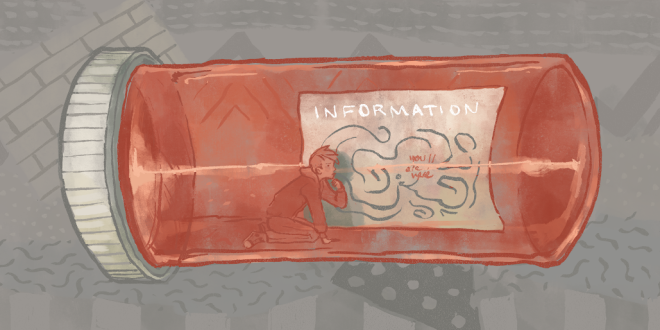
The image features an androgynous person, trapped inside a pill bottle, looking at a map that says Illustration by Jessica Krcmarik.

This might as well be part two, because quite a while back, I wrote a pretty exhaustive list of things that newly-diagnosed folks with bipolar might want to know. This might just be an ongoing series where readers have the privilege of learning from my mistakes, because I’ve made more than a few along the way. Lucky you!

While I’m writing from the perspective of someone who grapples with bipolar and generalized anxiety, I feel like much of this could be applied to other mental health struggles as well. I hope this is helpful to anyone who needs it.

Lastly, a content warning: There is some discussion about sexual assault and consent, so if that could be traumatizing for you, feel free to skip over #2.

So let’s chat! Here are some things I wish I’d known about having a mental illness:

 —

View original post 1,635 more words

Mental Health Awarness Month: Schizophrenia

May is mental health awareness month. When I started this blog in late May of last year (2014) it was in response to how I as an advocate, am going do my part to help stomp out the stigma of mental illness. In fact, it still is the goal of this blog to educate other’s on mental illness in hopes that it will reach enough people to make a dent in the stigma that mental illness brings.  I’ve realized over the last year that I haven’t done much educating on mental illness with the exception of me blogging about my personal experience with a mental illness and how those with a mental illness are productive members of society.

With that being said, I decided that today’s educational topic will be Schizophrenia. Please keep in mind that I am not a medical professional and am unable to diagnosis people if you think you have Schizophrenia or another mental health diagnosis please seek out professional help from a doctor or mental health professional. The information I am about to share on Schizophrenia, with you is info I got from the National Alliance on Mental Illness (NAMI) website at https://nami.org/.

Schizophrenia is a serious mental illness that interferes with a person’s ability to think clearly, manage emotions, make decisions and relate to others. It is a complex, long-term medical illness, affecting about 1% of Americans. Although schizophrenia can occur at any age, the average age of onset tends to be in the late teens to the early 20s for men, and the late 20s to early 30s for women. It is uncommon for schizophrenia to be diagnosed in a person younger than 12 or older than 40. It is possible to live well with schizophrenia.

Symptoms

It can be difficult to diagnose schizophrenia in teens. This is because the first signs can include a change of friends, a drop in grades, sleep problems, and irritability—common and nonspecific adolescent behavior. Other factors include isolating oneself and withdrawing from others, an increase in unusual thoughts and suspicions, and a family history of psychosis. In young people who develop schizophrenia, this stage of the disorder is called the “prodromal” period.

With any condition, it’s essential to get a comprehensive medical evaluation in order to obtain the best diagnosis. For a diagnosis of schizophrenia, some of the following symptoms are present in the context of reduced functioning for a least 6 months:

Hallucinations. These include a person hearing voices, seeing things, or smelling things others can’t perceive. The hallucination is very real to the person experiencing it, and it may be very confusing for a loved one to witness. The voices in the hallucination can be critical or threatening. Voices may involve people that are known or unknown to the person hearing them.

Delusions. These are false beliefs that don’t change even when the person who holds them is presented with new ideas or facts. People who have delusions often also have problems concentrating, confused thinking, or the sense that their thoughts are blocked.

Negative symptoms are ones that diminish a person’s abilities. Negative symptoms often include being emotionally flat or speaking in a dull, disconnected way. People with the negative symptoms may be unable to start or follow through with activities, show little interest in life, or sustain relationships. Negative symptoms are sometimes confused with clinical depression.

Cognitive issues/disorganized thinking. People with the cognitive symptoms of schizophrenia often struggle to remember things, organize their thoughts or complete tasks. Commonly, people with schizophrenia have anosognosia or “lack of insight.” This means the person is unaware that he has the illness, which can make treating or working with him much more challenging.

Causes

Research suggests that schizophrenia may have several possible causes:

  • Genetics. Schizophrenia isn’t caused by just one genetic variation, but a complex interplay of genetics and environmental influences. While schizophrenia occurs in 1% of the general population, having a history of family psychosis greatly increases the risk. Schizophrenia occurs at roughly 10% of people who have a first-degree relative with the disorder, such as a parent or sibling. The highest risk occurs when an identical twin is diagnosed with schizophrenia. The unaffected twin has a roughly 50% chance of developing the disorder.
  • Environment. Exposure to viruses or malnutrition before birth, particularly in the first and second trimesters has been shown to increase the risk of schizophrenia. Inflammation or autoimmune diseases can also lead to increased immune system
  • Brain chemistry. Problems with certain brain chemicals, including neurotransmitters called dopamine and glutamate, may contribute to schizophrenia. Neurotransmitters allow brain cells to communicate with each other. Networks of neurons are likely involved as well.
  • Substance use. Some studies have suggested that taking mind-altering drugs during teen years and young adulthood can increase the risk of schizophrenia. A growing body of evidence indicates that smoking marijuana increases the risk of psychotic incidents and the risk of ongoing psychotic experiences. The younger and more frequent the use, the greater the risk. Another study has found that smoking marijuana led to earlier onset of schizophrenia and often preceded the manifestation of the illness.

Diagnosis

Diagnosing schizophrenia is not easy. Sometimes using drugs, such as methamphetamines or LSD, can cause a person to have schizophrenia-like symptoms. The difficulty of diagnosing this illness is compounded by the fact that many people who are diagnosed do not believe they have it. Lack of awareness is a common symptom of people diagnosed with schizophrenia and greatly complicates treatment.

While there is no single physical or lab test that can diagnosis schizophrenia, a health care provider who evaluates the symptoms and the course of a person’s illness over six months can help ensure a correct diagnosis. The health care provider must rule out other factors such as brain tumors, possible medical conditions and other psychiatric diagnoses, such as bipolar disorder.

To be diagnosed with schizophrenia, a person must have two or more of the following symptoms occurring persistently in the context of reduced functioning:

  • Delusions
  • Hallucinations
  • Disorganized speech
  • Disorganized or catatonic behavior
  • Negative symptoms

Delusions or hallucinations alone can often be enough to lead to a diagnosis of schizophrenia. Identifying it as early as possible greatly improves a person’s chances of managing the illness, reducing psychotic episodes, and recovering. People who receive good care during their first psychotic episode are admitted to the hospital less often, and may require less time to control symptoms than those who don’t receive immediate help. The literature on the role of medicines early in treatment is evolving, but we do know that psychotherapy is essential.

People can describe symptoms in a variety of ways. How a person describes symptoms often depends on the cultural lens she is looking through. African Americans and Latinos are more likely to be misdiagnosed, probably due to differing cultural or religious beliefs or language barriers. Any person who has been diagnosed with schizophrenia should try to work with a health care professional that understands his or her cultural background and shares the same expectations for treatment.

Treatment

There is no cure for schizophrenia, but it can be treated and managed in several ways.

With medication, psychosocial rehabilitation, and family support, the symptoms of schizophrenia can be reduced. People with schizophrenia should get treatment as soon as the illness starts showing, because early detection can reduce the severity of their symptoms.

Recovery while living with schizophrenia is often seen over time, and involves a variety of factors including self-learning, peer support, school and work and finding the right supports and treatment.

Medication

Typically, a health care provider will prescribe antipsychotics to relieve symptoms of psychosis, such as delusions and hallucinations. Due to lack of awareness of having an illness and the serious side effects of medication used to treat schizophrenia, people who have been prescribed them are often hesitant to take them.

First Generation (typical) Antipsychotics

These medications can cause serious movement problems that can be short (dystonia) or long term (called tardive dyskinesia), and also muscle stiffness. Other side effects can also occur.

Second Generation (atypical) Antipsychotics

These medications are called atypical because they are less likely to block dopamine and cause movement disorders. They do, however, increase the risk of weight gain and diabetes. Changes in nutrition and exercise, and possibly medication intervention, can help address these side effects.

One unique second generation antipsychotic medication is called clozapine. It is the only FDA approved antipsychotic medication for the treatment of refractory schizophrenia and has been the only one indicated to reduce thoughts of suicide. However, it does have multiple medical risks in addition to these benefits. Read a more complete discussion of these risk and benefits.

Psychotherapy

Cognitive behavioral therapy (CBT) is an effective treatment for some people with affective disorders. With more serious conditions, including those with psychosis, additional cognitive therapy is added to basic CBT (CBTp). CBTp helps people develop coping strategies for persistent symptoms that do not respond to medicine.

Supportive psychotherapy is used to help a person process his experience and to support him in coping while living with schizophrenia. It is not designed to uncover childhood experiences or activate traumatic experiences, but is rather focused on the here and now.

Cognitive Enhancement Therapy (CET) works to promote cognitive functioning and confidence in one’s cognitive ability. CET involves a combination of computer based brain training and group sessions. This is an active area of research in the field at this time.

Psychosocial Treatments

People who engage in therapeutic interventions often see improvement, and experience greater mental stability. Psychosocial treatments enable people to compensate for or eliminate the barriers caused by their schizophrenia and learn to live successfully. If a person participates in psychosocial rehabilitation, she is more likely to continue taking their medication and less likely to relapse. Some of the more common psychosocial treatments include:

  • Assertive Community Treatment (ACT) provides comprehensive treatment for people with serious mental illnesses, such as schizophrenia. Unlike other community-based programs that connect people with mental health or other services, ACT provides highly individualized services directly to people with mental illness. Professionals work with people with schizophrenia and help them meet the challenges of daily life. ACT professionals also address problems proactively, prevent crises, and ensure medications are taken.
  • Peer support groups like NAMI Peer-to-Peer encourage people’s involvement in their recovery by helping them work on social skills with others. The Illness Management Recovery (IMR) model is an evidence-based approach that emphasizes setting goals and acquiring skills to meet those goals.

Complementary Health Approaches

Omega-3 fatty acids, commonly found in fish oil, have shown some promise for treating and managing schizophrenia. Some researchers believe that omega-3 may help treat mental illness because of its ability to help replenish neurons and connections in affected areas of the brain.

Additional Concerns

Physical Health. People with schizophrenia are subject to many medical risks, including diabetes and cardiovascular problems, and also smoking and lung disease. For this reason, coordinated and active attention to medical risks is essential.

Substance Abuse. About 25% of people with schizophrenia also abuse substances such as drugs or alcohol. Substance abuse can make the treatments for schizophrenia less effective, make people less likely to follow their treatment plans, and even worsen their symptoms.

Helping Yourself

If you have schizophrenia, the condition can exert control over your thoughts, interfere with functioning and if not treated, lead to a crisis. Here are some ways to help manage your illness.

  • Manage Stress. Stress can trigger psychosis and make the symptoms of schizophrenia worse, so keeping it under control is extremely important. Know your limits, both at home and at work or school. Don’t take on more than you can handle and take time to yourself if you’re feeling overwhelmed.
  • Try to get plenty of sleep. When you’re on medication, you most likely need even more sleep than the standard eight hours. Many people with schizophrenia have trouble with sleep, but lifestyle changes such as getting regular exercise and avoiding caffeine can help.
  • Avoid alcohol and drugs. It’s indisputable that substance abuse affects the benefits of medication and worsens symptoms. If you have a substance abuse problem, seek help.
  • Maintain connections. Having friends and family involved in your treatment plan can go a long way towards recovery. People living with schizophrenia often have a difficult time in social situations, so surrounding yourself with people who understand this can make the transition back into daily social life smoother. If you feel you can, consider joining a schizophrenia support group or getting involved with a local church, club, or other organization.

If you live with a mental health condition, learn more about managing your mental health and finding the support you need.

Helping a Family Member or Friend

Learning about psychosis and schizophrenia will help you understand what your friend or family member is experiencing and trying to cope with. Living with schizophrenia is challenging. Here are some ways you can show support:

  • Respond calmly. To your loved one, the hallucinations seem real, so it doesn’t help to say they are imaginary. Calmly explain that you see things differently. Being respectful without tolerating dangerous or inappropriate behavior.
  • Pay attention to triggers. You can help your family member or friend understand, and try to avoid, the situations that trigger his or her symptoms or cause a relapse or disrupt normal activities.
  • Help ensure medications are taken as prescribed. Many people question whether they still need the medication when they’re feeling better, or if they don’t like the side effects. Encourage your loved one to take his or her medication regularly to prevent symptoms from coming back or getting worse.
  • Understanding lack of awareness (anosognosia). Your family member or friend one may be unable to see that he or she has schizophrenia. Rather than trying to convince the person he or she has schizophrenia, you can show support by helping him or her be safe, get therapy, and take the prescribed medications.
  • Help avoid drugs or alcohol. These substances are known to worsen schizophrenia symptoms and trigger psychosis. If your loved one develops a substance use disorder, getting help is essential.

Related Conditions People with schizophrenia may have additional illnesses. These may include: Substance abuse Posttraumatic stress disorder Obsessive-compulsive disorder Major depression Successfully treating schizohprenia almost always improves these related illnesses. And successful treatment of substance abuse, PTSD or OCD usually improves the symptoms of schizophrenia.

Thank you for reading. I know today’s blog is quite long. I felt like it is necessary to give the above information to better educate myself as well as you the reader and/or follower. Please remember I am not qualified to diagnosis anyone of any physical or mental health condition. I hope to blog more about other diagnoses as well as various treatments for mental health conditions as time goes on. Well, I’m going to end this blog for now. Have a good day and Peace Out!!

What Can I Say, It’s Mothers Day

As many of you know it’s Mother’s Day. Mother’s Day is a source of pain for many us out there in this world of ours. The cause of the pain of Mother’s Day is as different and unique as each of us are as human beings.

For me Mother’s Day has been a source of pain since childhood. A source of pain I wish I could forget or at least no longer be as painful as it has been and currently is. I guess now is as good of time as any to bring up the source of many years of pain, my own mother.

The first memory I have of my childhood was not exactly the happiest and you guessed it, it involves my mother. I was the tender age of three when my mom did what many mothers would not even give a thought; she abandoned me. She didn’t just abandon me, she abandoned my dad. A dad that wasn’t exactly the worlds most perfect dad but a dad that loved me and tried the best of his ability to raise me. With my dad being a single father, that made realize how truly special my own grandmother was in my life.

If it wasn’t for my grandparents helping my dad, my dad wouldn’t have gotten custody of me when my mom decided to reappear into our lives two years late when I was five. At this point in time my dad had already gotten divorced my mom and got custody of me due to the fact that my mom abandoned me. In fact the lawyer that my wonderful grandparents got for my dad to make sure he remained the primary caregiver pointed out to the judge that if mother could leave her sick three year old alone at night as her husband was working didn’t deserve to have custody. Unforantenly, the judge to granted my mother visitation. The visitation was a complicated thing due to the fact that my dad and myself lived in Southern California and my mother lived in Western Washington.

Due to the visitation I spent my summers and Christmas’s in Washington State and the rest of the year in California. That meant as Mother’s Day rolled around, I was going to mother/daughter tea’s with my  grandmother. As I got older it got that much more difficult.

It got more difficult because mother started dating a guy who wasn’t exactly prince charming. He not only beat my mom but decided to take out his anger on me as well. He not only took out his anger me but also desired me in a way grown adults shouldn’t desire children of any age. Yes, that means I was sexually abused. Actually, I was raped by this man. I was put through years of it before he just upped and left my mom and brother.

In fact if it wasn’t for my brother, I would have asked to go to court to ask the judge to take away my mother’s visitation rights away from her. In fact I would have asked the judge to take away her parental rights away. If I would have that means my brother would have ended up in foster care  again and me no longer being able to see him. In fact my brother and I are close and we both call our mother, our egg donor because that is what she ultimately is to the both of us.

Despite all the pain my mother caused me throughout my life, there is a different pain I struggle with. That is the pain of loosing a child. In fact in my case, it’s children. I miscarried two sets of twins within 14 months of each other. This year Mother’s Day is more difficult for me than last year because we (myself, my fiancé, doula, and doctor) were more hopeful and encouraged about how my last pregnancy was progressing verses how my first pregnancy had progressed. I cant help but think how big my first set of twins would be if I didn’t miscarry them. I also cant help but think about my last pregnancy, if I didn’t miscarry back in January (of this year). I wonder if I would still be pregnant or if I would have delivered the twins because this set of twins were due on May 29th (of this year). As any parent knows, there is no greater pain a person can endure than loosing a child. I unfortunately, lost two sets of twins. As much pain I endured as child, the pain of miscarrying two pregnancies is a much great pain to me. The children I miscarried will always be a part of me.

As you can tell by this lengthy blog, Mother’s Day is quite painful for me for many different reasons. As you celebrate your mother’s or are being celebrated as a mother please take a moment of gratitude for the mother you have and/or the child(ren) you have. Not everyone has the blessing of having mother who cares or (a) child(ren) to take care of and love.

Before I end this blog, I would like to take the time out and wish all the Mother’s out there a Happy Mother’s Day. I would especially like to thank my grandma as well as others in my life to stepping into the mother role when I needed it the most. Happy Mother’s Day.